
Why Storytelling Should Be the Foundation of Your Marketing Strategy

Storytelling has been an integral part of human culture since the beginning of time. From the earliest cave paintings to modern-day films, stories have always played a crucial role in our lives. This is especially true in marketing campaigns, where storytelling has become a powerful tool for building brands and engaging with customers.
Below, we will explore the importance of storytelling in marketing campaigns and how it can help businesses connect with their audience.
Emotional Connection
One of the key reasons why storytelling is important in marketing campaigns is its ability to create an emotional connection with the audience. As humans, we are wired to respond to stories because they engage us on a deeper level. When we hear a story, it activates different parts of our brain and triggers emotions such as empathy, joy, sadness, or inspiration. By crafting a compelling narrative that resonates with your audience, you can tap into their emotions and build a stronger bond with them. This emotional connection can help to foster brand loyalty and create long-lasting relationships with your customers.
 One of the best examples of emotional storytelling in marketing is the Dove Real Beauty campaign. The campaign featured real women of all shapes and sizes, with the goal of redefining what beauty means. Through powerful video content and inspiring stories, Dove created an emotional connection with its audience by promoting the message that beauty comes in all shapes and sizes.
Brand Identity
Storytelling can also help to establish and reinforce a brand’s identity. By weaving stories that reflect the values, beliefs, and personality of your brand, you can create a more authentic and memorable brand image. For example, if your brand is known for its commitment to sustainability, you can tell stories that highlight your efforts to reduce your carbon footprint or support environmental causes. By aligning your stories with your brand’s identity, you can differentiate your brand from competitors and build a stronger brand presence in the minds of your customers.

Nike is a brand that has successfully used storytelling to establish and reinforce its brand identity. Its “Just Do It” campaign has been running since 1988 and has become synonymous with the brand. By telling stories of athletes who overcame obstacles and achieved success, Nike has built a brand identity that is associated with determination, resilience, and victory.
Increased Engagement
Another benefit of storytelling in marketing campaigns is increased engagement. Stories are more engaging than facts or figures because they create a sense of curiosity and anticipation in the audience. When you tell a story, you create a mental image in the minds of your audience that helps them to visualize the information you’re presenting. This can help to keep them engaged with your marketing campaign and more receptive to your message. By crafting a narrative that captures the attention of your audience, you can increase the effectiveness of your marketing campaign and drive better results.
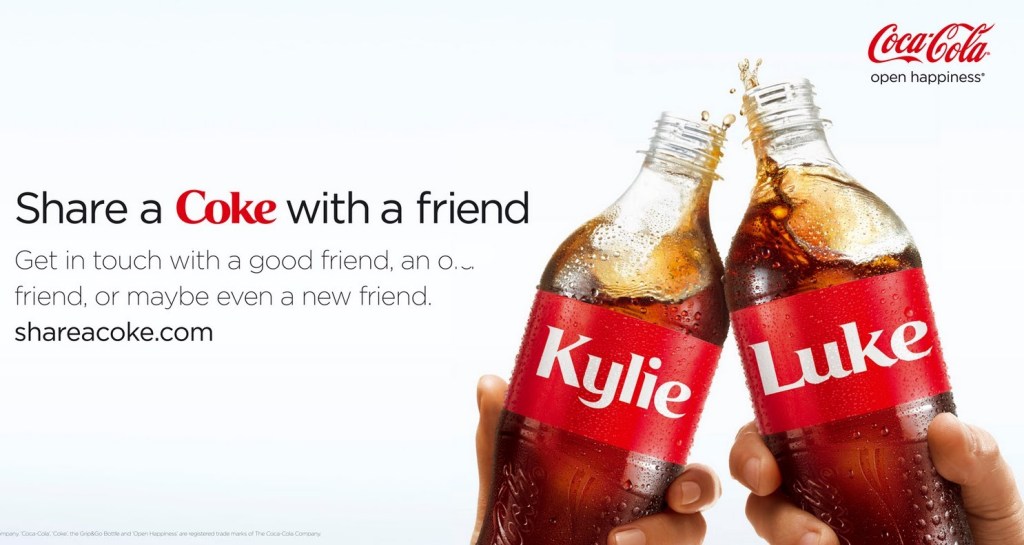
Coca-Cola’s “Share a Coke” campaign is a great example of how storytelling can increase engagement. The campaign featured personalized bottles of Coke with popular names printed on them. Through social media and other marketing channels, Coke encouraged people to share photos and stories of how they were sharing a Coke with friends and family. By creating a campaign that was both personal and shareable, Coke increased engagement and drove sales.
Memorable
Stories are also more memorable than facts and figures. When you present information in the form of a story, it helps to create a mental anchor in the minds of your audience. This mental anchor makes it easier for them to recall the information later on. By making your marketing campaign more memorable, you can increase the likelihood of your audience taking action. For example, if you tell a story about how your product or service helped someone overcome a challenge, it can inspire others to take action and try your product or service for themselves.

Apple’s “Think Different” campaign is a classic example of memorable storytelling in marketing. The campaign featured inspiring stories of people who had made a difference in the world, such as Albert Einstein, Martin Luther King Jr., and Mahatma Gandhi. By associating the brand with these iconic figures and their inspiring stories, Apple created a memorable campaign that resonated with its audience.
Humanizes your brand
Finally, storytelling can help to humanize your brand. By sharing stories about real people and their experiences with your brand, you can create a more personal connection with your audience. This personal connection helps to build trust and credibility with your customers, which can be especially important in today’s digital age. By sharing stories that humanize your brand, you can demonstrate your commitment to your customers and show them that you understand their needs and challenges.

One brand that has effectively humanized its brand through storytelling is Airbnb. The company’s “Belong Anywhere” campaign tells the stories of people who have used Airbnb to travel and experience new cultures. By featuring real people and their experiences, Airbnb has been able to create a more personal connection with its audience and humanize its brand.
Storytelling is a powerful tool for marketers. By creating a narrative that connects with your audience on an emotional level, you can build brand identity, increase engagement, create a memorable marketing campaign, and humanize your brand. Whether you’re launching a new product, promoting a service, or building your brand’s reputation, storytelling can help you achieve your marketing goals and build stronger relationships with your customers.






1 Comment
A fascinating discussion is definitely worth comment. I do think that you need to publish more about this issue, it might not be a taboo subject but generally people dont speak about such subjects. To the next! Kind regards!!