

SEO, or Search Engine Optimization, involves various techniques to improve website visibility in search engine results. On-page Optimization is a crucial aspect of SEO that focuses on optimizing various elements within a webpage to improve its visibility and ranking on search engine results pages (SERPs). It involves content, meta tags, headings, URLs, images, and internal links to enhance a website’s relevance and user experience. In this blog post, we will discuss the basics of on-page optimization and how small to midsize businesses can implement it for better online visibility.
1. Keyword Research
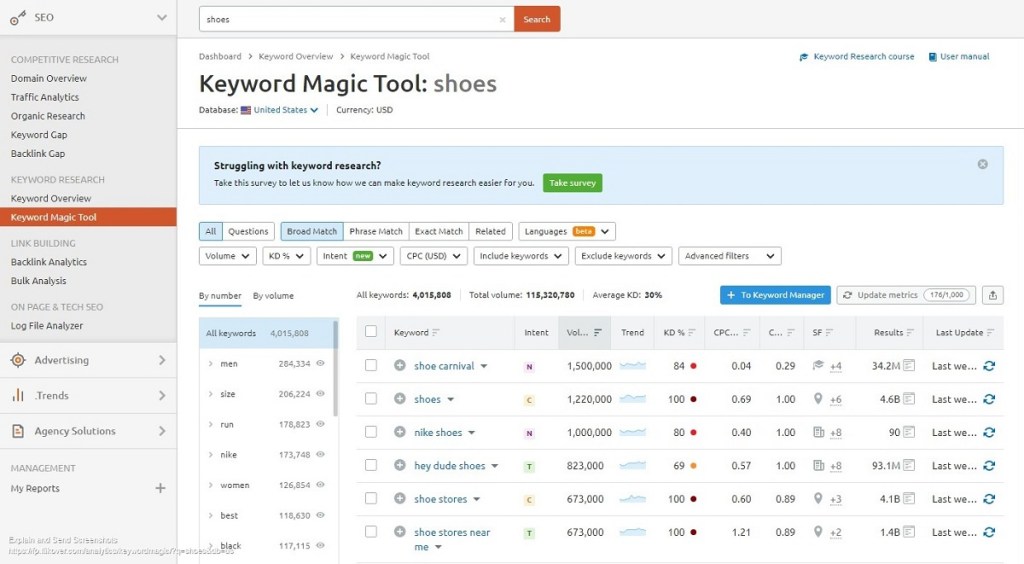
The first step in on-page optimization is to conduct keyword research. Keywords are the words or phrases that people type into search engines to find information. By targeting the right keywords, you can ensure that your website shows up in search results when people are searching for information related to your business.
To conduct keyword research, you can use tools such as Google Keyword Planner or SEMrush. These tools will provide you with data on search volume, competition, and related keywords. Once you have identified the keywords you want to target, you can start incorporating them into your website’s content.
2. Page Titles and Meta Descriptions
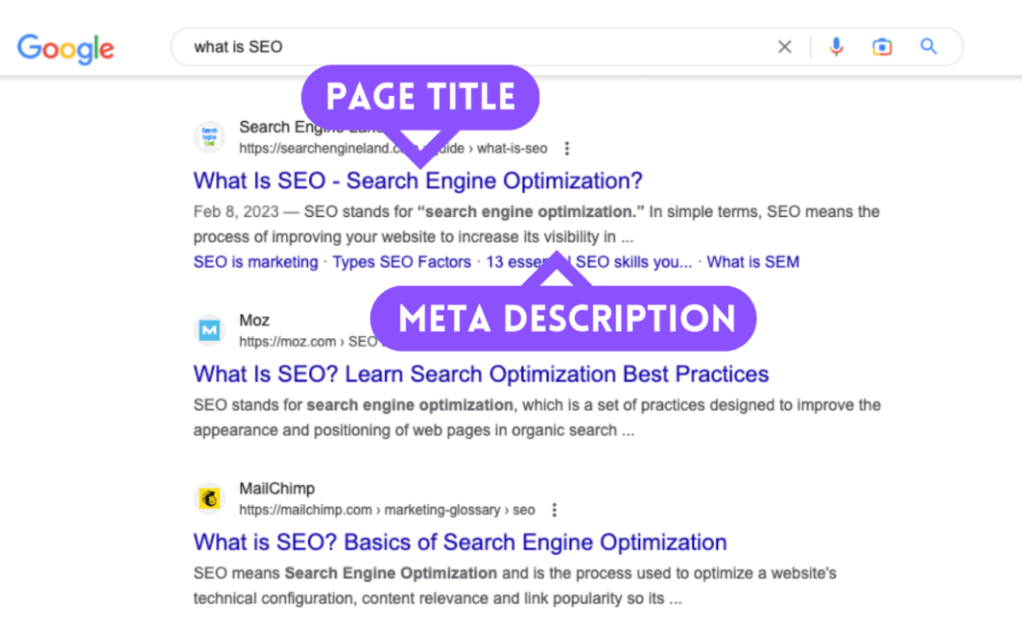
Page titles and meta descriptions are the first things people see when your website appears in search results. It is important to optimize these elements to ensure they accurately describe your page’s content and entice people to click through to your website.
When it comes to your page titles, it’s best to keep them concise and descriptive. Make sure to include your targeted keywords and aim for a length of 50-60 characters – that way, visitors can quickly understand what your page is about. Another thing to keep in mind is your meta descriptions. It’s best to keep these under 160 characters and use them to encourage people to click through to your website. A well-crafted call-to-action (CTA) can have a significant impact on making your site more engaging and driving desired user actions. For instance, if you have an e-commerce website selling clothing, a CTA such as “Shop Now” prominently displayed on your homepage can entice visitors to explore your product catalog and make a purchase.
3. Header Tags

Header tags (H1, H2, H3, etc.) are used to structure your website’s content.It’s important for search engines to understand the hierarchy of your content because it helps them interpret the organization and relevance of information on your website, enabling them to provide more accurate search results to users.
Your H1 tag should be used for your page’s main title and include your targeted keyword. Use H2 tags for subheadings and H3 tags for sub-subheadings. Make sure to include your targeted keywords in these tags as well.
Header tags can be edited within the HTML code of your web pages. You can access and modify the header tags by directly editing the relevant sections of your website’s source code or by using a content management system (CMS) that provides a user-friendly interface for editing the tags.
4. Content Creation

Content is the backbone of your website and plays a crucial role in on-page optimization. When creating content, make sure to incorporate your targeted keywords in a natural way. Avoid keyword stuffing, which is the practice of overusing keywords in an attempt to manipulate search engine rankings.
In addition to incorporating keywords, make sure your content is high-quality and provides value to your audience. Use images and videos to break up large blocks of text and make your content more engaging. It’s also important to use an appropriate tone that resonates with your audience.
5. Images and Alt Text

Images can also be optimized for better search engine visibility. When adding images to your website, make sure to use descriptive file names that include your targeted keywords. Not only does this help with organization, but it can also increase visibility for your business on Google image search results. You should also include alt text, which is a brief description of the image that is used by screen readers for the visually impaired.
6. Website Load Speed

Website speed is an important factor in search engine rankings. Slow-loading websites can negatively impact user experience and cause people to leave your website before it even loads.
To improve website speed, you can compress images, minify CSS and JavaScript files, and use a content delivery network (CDN) to serve your website’s assets from multiple locations around the world.
7. Mobile Responsiveness

According to recent data, nearly 60 percent of all online searches are now carried out on a mobile device. As a result, it is essential for your website to be mobile-responsive. This means your website’s design and layout should adapt to different screen sizes and orientations.
Mobile-responsive websites provide a better user experience and can improve search engine rankings. To ensure your website is mobile-responsive, use a responsive website design or a mobile-specific website theme.
8. Internal Links
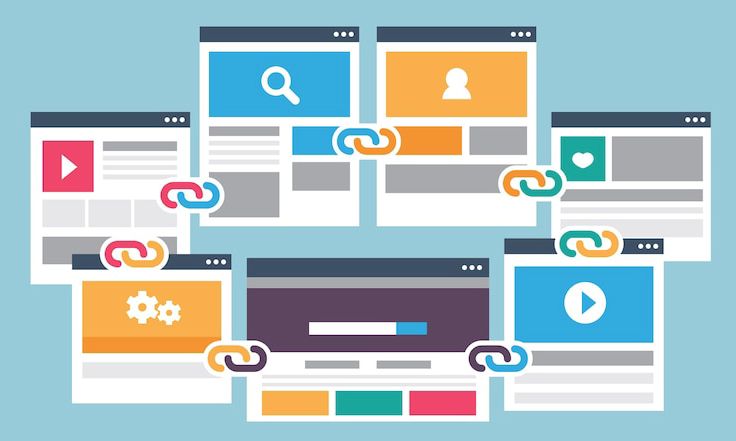
Internal links are links that point to other pages on your website. They help search engines understand the structure of your website and the importance of different pages. Internal linking can also help to keep people on your website for longer by providing them with additional content to explore.
When building internal links, make sure to use descriptive anchor text that includes your targeted keywords. Avoid using generic phrases like “click here” or “read more,”, and instead consider using “Learn more about [topic]” or “Sign up for [event/service]”. Additionally, it is important to ensure that internal links follow the higher-level website structure, as this helps maintain a clean and clear site architecture.
9. Optimize URLs
Optimizing URLs involves including targeted keywords, making them readable and descriptive, and organizing them in a logical hierarchy. This helps search engines understand the content and context of web pages, improves user experience by providing clear information, and enhances the visibility of your site in search results. Additionally, optimized URLs facilitate link sharing and backlinking, prevent duplicate content issues, and contribute to a well-structured site architecture.
10. Monitor and Analyze Results

Once you have implemented on-page optimization on your website, it is important to monitor and analyze the results. Use tools such as Google Analytics to track your website’s traffic, bounce rate, and conversion rate over time. Additionally, it is crucial to monitor how your site ranks for specific keywords. Regularly check your search engine rankings using tools like Google Analytics and Google Search Console to assess your website’s visibility and performance in search results.
In summary, on-page optimization is essential in helping SMBs improve their website’s visibility and attract more relevant traffic. It’s important to remember that SEO is not an overnight process; it takes time and consistent effort to create quality content, optimize user experience, and implement effective strategies. But with the right approach and dedication, on-page optimization can be a game-changer for small to midsize businesses seeking to establish a strong online presence and grow their brand organically. If you want help with SEO, don’t hesitate to reach out to us at Agora Digital.






3 Comments
https://alientechnologyunveiled.blogspot.com
Hello, just wanted to mention, I liked this article.
It was inspiring. Keep on posting!
https://alientechnologyunveiled.blogspot.com
Thanks for finally talking about > Ten Essential On-Page Optimization Strategies – Agora Digital
Marketing < Loved it!
https://alientechnologyunveiled.blogspot.com
I have read so many content about the blogger lovers however this post is
genuinely a good piece of writing, keep it up.