Why You Need To Audit Your Marketing Strategy

Marketing is one of the most critical aspects of any business. It’s how you attract and retain customers, generate revenue, and increase brand awareness. As a small to midsize company, your marketing strategy is essential to your success. However, with so many marketing channels available, it can be challenging to know where to focus your efforts. That’s why auditing your marketing strategy is so important. In this blog post, we’ll discuss the benefits of auditing and provide you with steps to conduct a successful audit.
Benefits of Conducting Audits
Identify areas where you need to improve. Are you targeting the right audience? Is your messaging resonating with your target audience? Are you creating engagement but not conversion? By asking your team these questions, you can hone in on areas that may be lacking or less than effective.
Align with your business goals. It’s easy to get caught up in the latest marketing trends and lose sight of your business goals. An audit will help ensure your marketing strategy is aligned with your overall business goals. For example, if your short term goal is to drive sales, your marketing strategy should focus on lead generation and conversion. Whereas, if you are looking to drive brand awareness in the short run, your strategy should reflect that.

Get the most out of your marketing budget. You want to make sure that every dollar you spend on marketing is getting you the best return on investment (ROI). An audit will help you identify areas where you’re overspending or not spending enough. By reallocating your marketing budget to areas that are generating the best results, you can maximize your ROI.
Steps to Conducting a Successful Audit
1. Define Your Goals
The first step in conducting a marketing audit is to define your goals. You need to know what you want to achieve with your marketing strategy. These goals should be Specific, Measurable, Attainable, Relevant, and Time-bound (‘SMART’). For example, your goals could be to increase website traffic by 20%, generate 50 new leads per month, or reduce cost per conversion by 30%. Defining your goals will help you to focus your audit on the areas that matter most to your business.
2. Gather Your Data

Once you’ve defined your goals, you need to gather data about your marketing activities. This data could come from a variety of sources, including your website, social media channels, CRM, and paid advertising campaigns. Make sure you collect data for a long enough period to get a clear picture of your marketing performance, which is usually at least by month or by quarter. Depending on whether your business is seasonal, you may also need to go further back to peak or off seasons of previous years.
3. Analyze Your Data
Look for patterns and trends in your data. Compare them to industry benchmarks to get a sense of areas where you’re doing well and areas where you’re underperforming. This will help you to identify the strengths and weaknesses of your marketing strategy.
Some metrics to analyze include:
• Website traffic: How many visitors are coming to your website, and how long are they staying?
• Social media engagement: How many likes, comments, and shares are you getting on your social media posts?
• Email open rates and click-through rates: How many people are opening your emails, and how many are clicking through to your website?
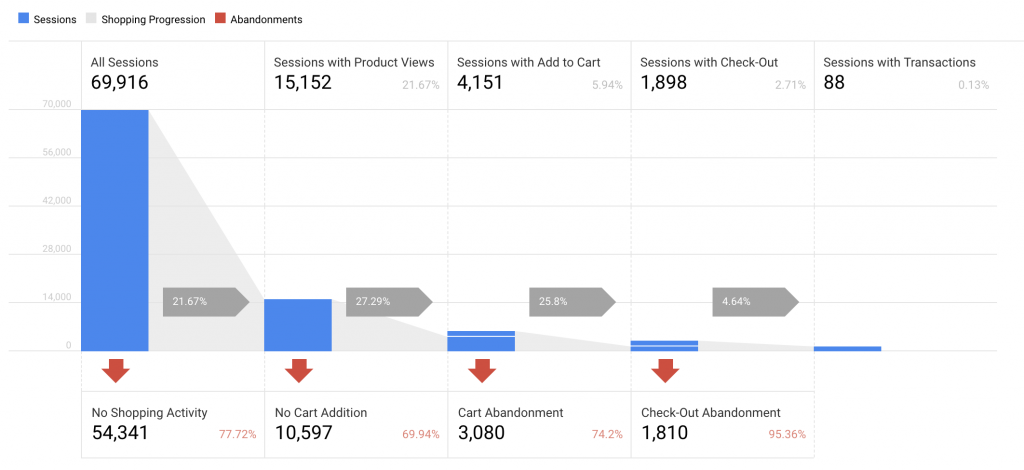
• Conversion rates: How many people are taking the desired action on your website, such as filling out a form or making a purchase?
4. Make Changes to Your Marketing Strategy
Based on your analysis, make changes to your marketing strategy. This could include adjusting your messaging, targeting a different audience, using a different marketing channel, or allocating your budget differently. Make sure you prioritize the changes that will have the biggest impact on your goals.
When making changes, it’s essential to have a plan for implementation. Identify the resources you’ll need, the timelines for each task, and who will be responsible for each task. This will help you to stay on track and ensure that the changes are implemented effectively.
5. Measure Your Results:
The final step is to measure the results of your changes. Monitor your marketing activities closely to see how your changes are affecting your performance. Make sure you track your progress towards your goals regularly. If you’re not seeing the results you want, go back to step three and analyze your data again.

It’s important to remember that a marketing audit is not a one-time event. You should ideally conduct audits semi-annually to keep up with changes in the market, changes in your business, and changes in technology. By conducting regular audits, you can ensure that your marketing strategy is always aligned with your business goals and deliver the results you need to grow your business.
Need to conduct a marketing audit? Agora Digital can help. Contact us for more information.